ITA Sustainability Team Engagements Across the Tin Value Chain
Over the past month, members of the ITA sustainability team participated in a series of engagements across Europe and China, providing valuable insights into emerging sustainability expectations and performance across the tin value chain.
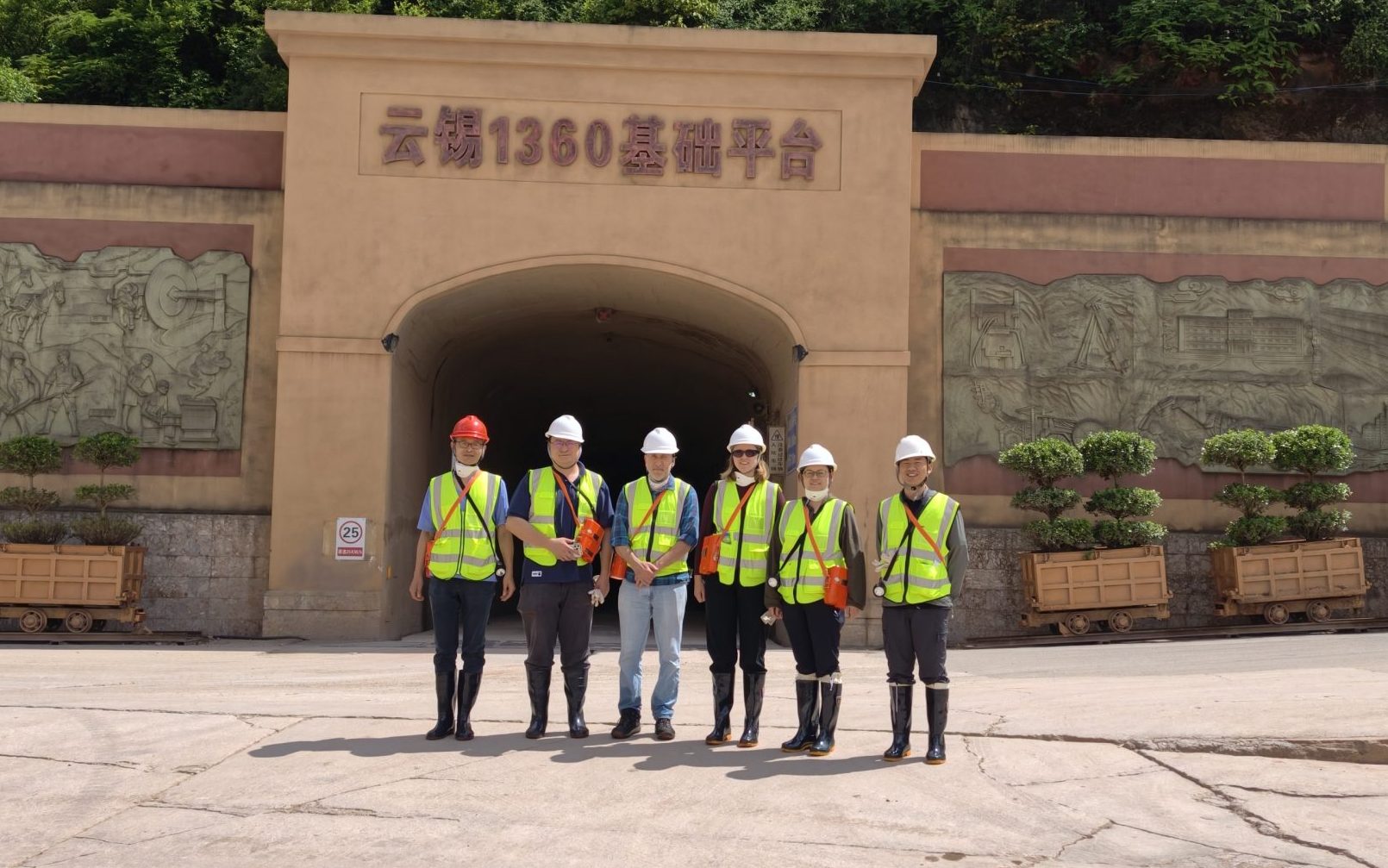
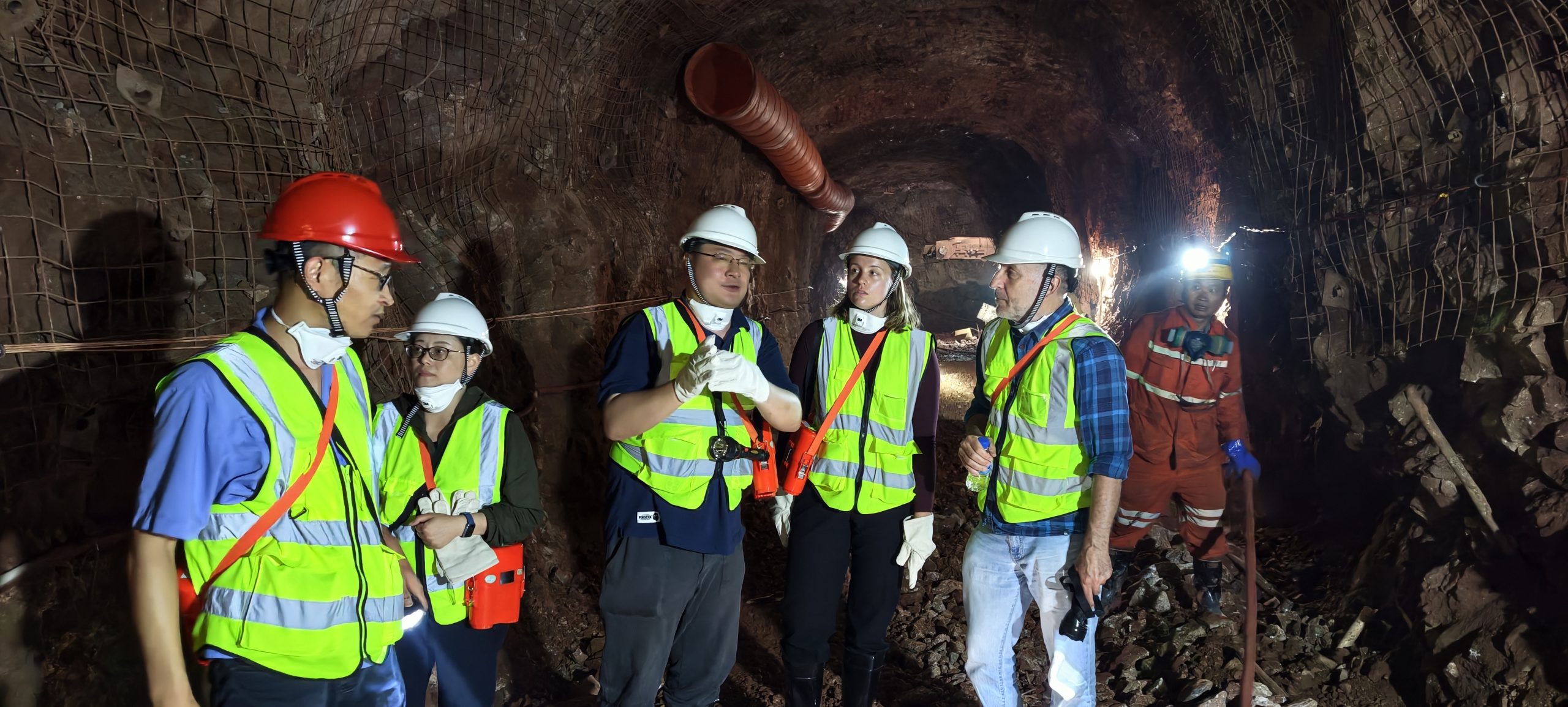
ITA representatives visited Yunnan Tin Company (YTC) in China to review progress against the Tin Code and discuss sustainability performance across mining and smelting operations, including environmental monitoring, tailings management, stakeholder engagement, human rights, responsible sourcing and assurance processes.
The ITA commends YTC for its openness, collaboration, and commitment to continuous improvement. The combined process of on-site engagement and structured reporting demonstrates how targeted support and guidance can drive meaningful progress in sustainable tin production. Read all Tin Code reports here: Tin Code Reports
The team also participated in CSR Europe’s Drive+ event, bringing together automotive manufacturers and suppliers to discuss due diligence, the global risk environment, supply chain transparency and the development of the next generation Sustainability Assessment Questionnaire (SAQ 6.0). Discussions highlighted growing interest in reducing reporting burdens through greater alignment and interoperability between sustainability frameworks.
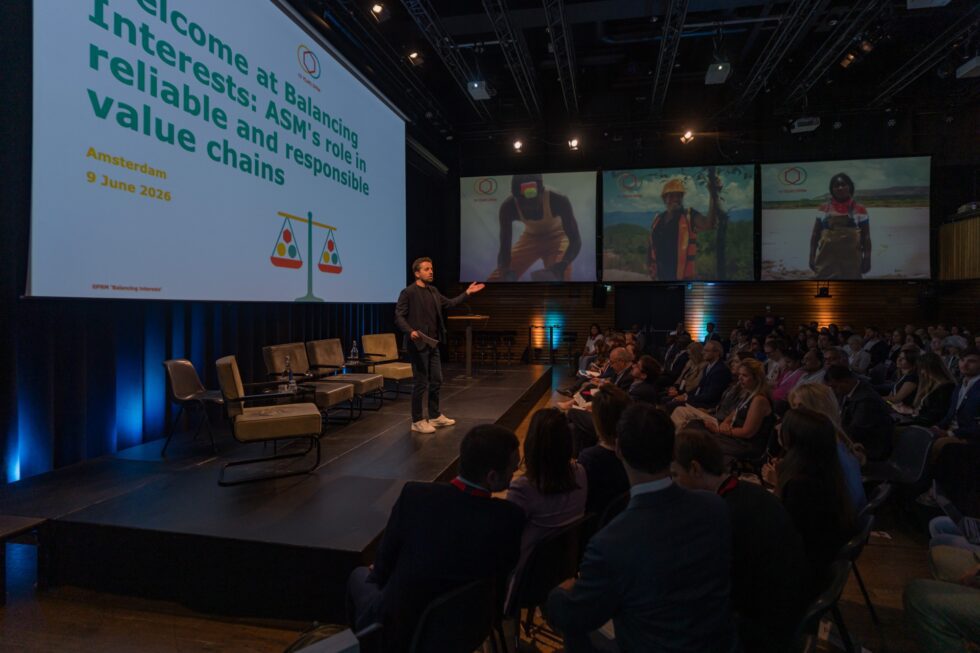
At the same time, ITA attended the European Partnership for Responsible Minerals (EPRM) 10-year anniversary conference, held in Amsterdam, where discussions focused on the role of artisanal and small-scale mining (ASM) in responsible mineral supply chains. A key theme throughout the conference was the importance of practical due diligence approaches that enable continuous improvement while maintaining fair market access for responsible ASM producers. As a longstanding EPRM member, ITA continues to support responsible ASM engagement through the Tin Code and ASM Handbook. More information here.
Across these engagements, a common message emerged: stakeholders increasingly want sustainability systems that are practical, credible and capable of delivering meaningful transparency without creating unnecessary reporting burdens.
The discussions also reinforced the importance of Principle 8 of the Tin Code, which encourages companies to positively influence the practices of suppliers of materials, goods and services. Whether through ASM supplier engagement, sharing guidance or supporting continuous improvement, companies are increasingly expected to help drive sustainable practices throughout their supply chains.
As sustainability expectations continue to evolve, the Tin Code remains an important ESG standard and assurance framework for translating operational performance and continuous improvement into trusted sustainability information for customers, regulators and other stakeholders across the global tin supply chain.